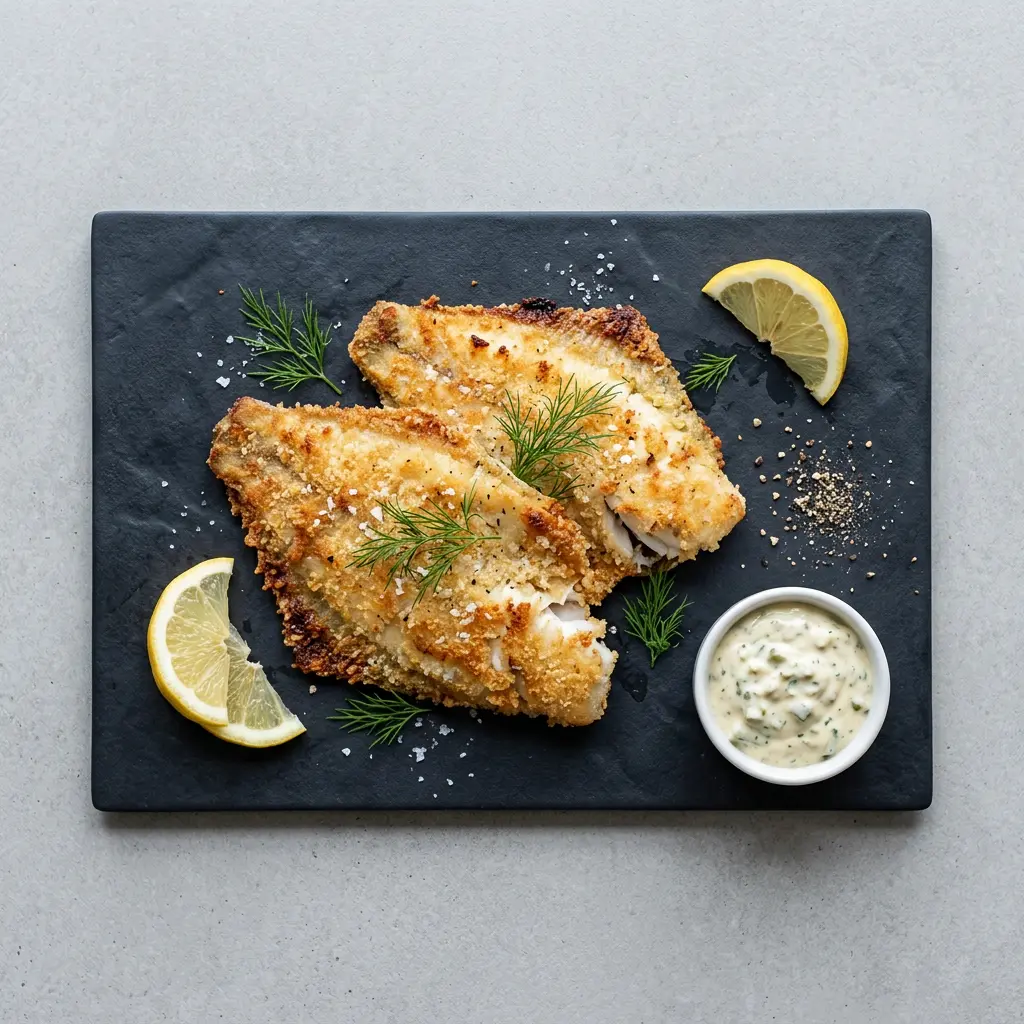
Why baked plaice fillet is a favourite
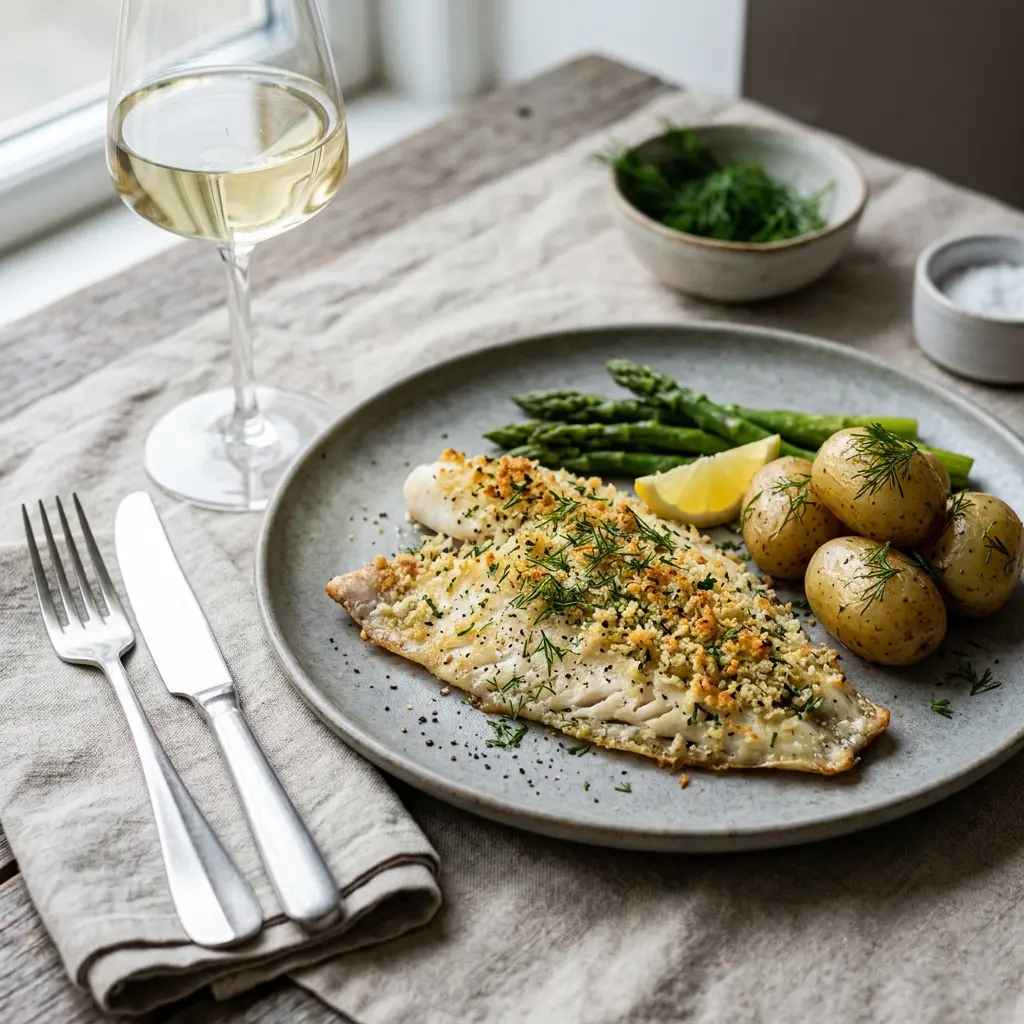
Cooking a baked plaice fillet in the oven is one of the gentlest ways to handle this thin fish. It prevents the delicate flesh from breaking apart as it might in a pan. You can easily add different seasonings or vegetables to the baking tray at the same time. This simple technique keeps the kitchen clean and reduces the amount of fat used in cooking.
How to prepare baked plaice fillet
Prepare the oven: Preheat your oven to 200 degrees Celsius and line a baking tray with baking paper. This prevents the fish from sticking and makes cleaning up much easier later.
Season the fish: Place the fish fillets on the prepared tray with the skin side down. Mix the olive oil, lemon juice, parsley, salt and pepper in a small bowl.
Apply the glaze: Brush the oil and lemon mixture evenly over each baked plaice fillet until they are well coated. You can also add thin slices of lemon on top for extra flavour.
Bake the fish: Put the tray in the oven and cook for about ten minutes until the fish is opaque and flakes easily. Serve the fillets immediately while they are hot and fresh.
Good advice for baked plaice fillet
Make sure the oven is fully preheated before putting the fish inside so it cooks evenly. If the fillets are very thin, check them after eight minutes to avoid overcooking the fish. You can swap the parsley for dill or chives if you prefer a different herb flavour. Always use fresh lemon juice rather than bottled for the best results with your baked plaice fillet. Adding a splash of white wine to the tray can create a light sauce during the cooking process. If you want a bit of crunch, you can sprinkle a few breadcrumbs over the top before baking.
Checking the internal temperature can help if you are unsure about the timing. The fish should reach about 63 degrees Celsius to be safe and perfectly cooked. Serve the fish with steamed greens or new potatoes to make a complete meal.
You may also like
greek meatloaf,
baked chicken drumsticks or
salmon with quinoa.