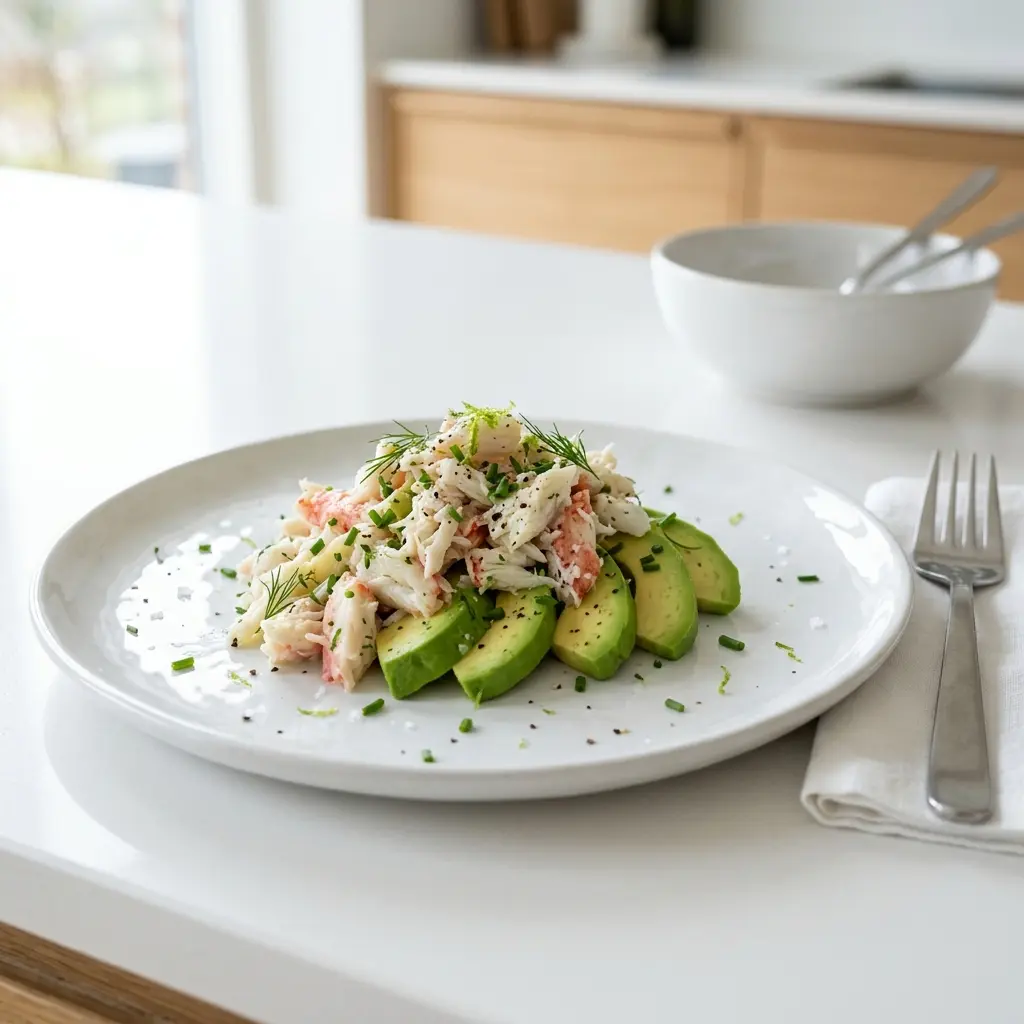
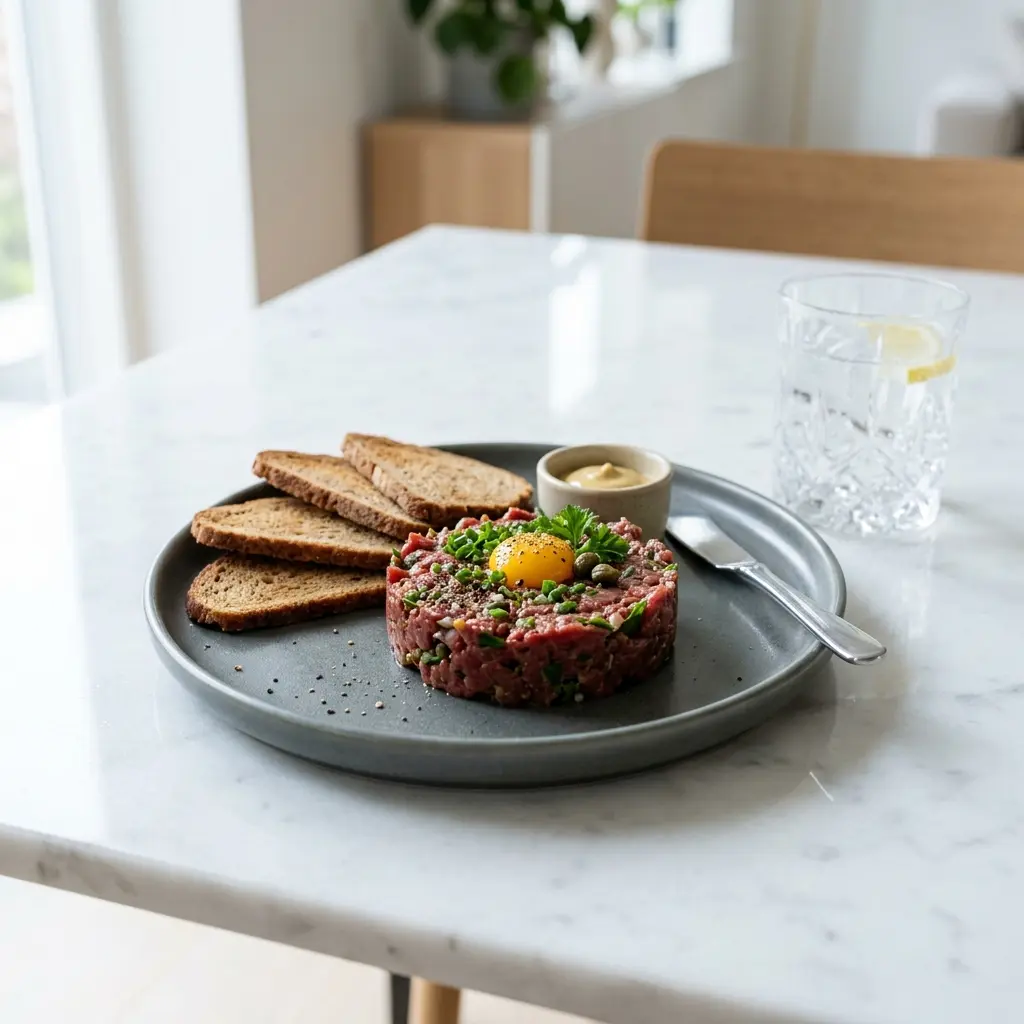
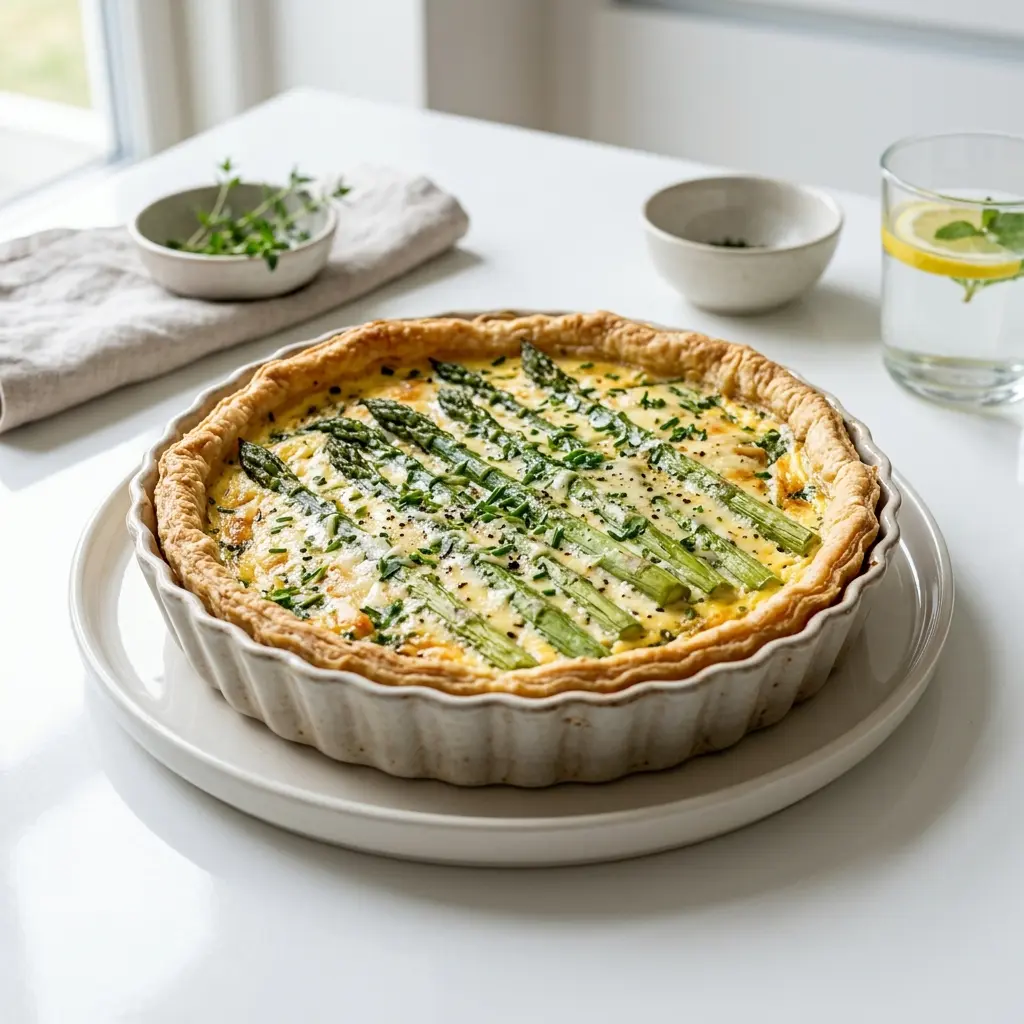
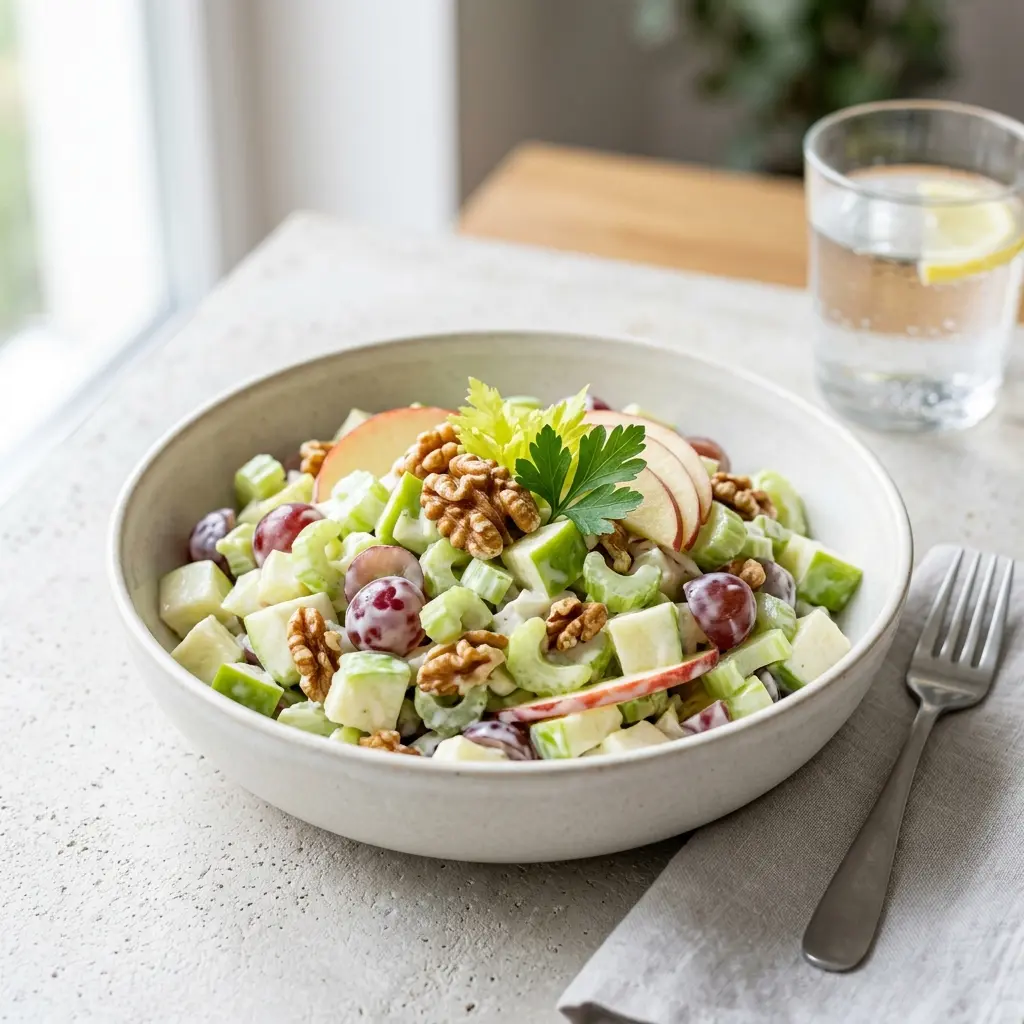
Lunch brings together ideas such as salads, bread, eggs and leftovers, so you can find lunch recipes without starting from scratch. Use this category when the meal needs to be ready quickly, packed lunches need more variety and leftovers in the fridge can be used well, or when you want to compare a few reliable directions before choosing a recipe. The text helps you understand ingredients, method, sides and serving before you start cooking.
Lunch at home, work and in lunchboxes
Lunch combines salads, bread, eggs, leftovers and quick warm dishes, so it works when you already know what you want to cook and when you simply need a good direction. Choose lunch by where it will be eaten: cold if it is packed, warm if you are at home, or in a bowl when several prepared parts need to come together quickly. Before starting, check portions, total time and serving style, because those details show whether the recipe suits the day. If there are many options, narrow the choice by main ingredient, available time and the result you want on the table.
Light but filling
In Lunch, the method changes how easy the recipe feels in practice. It might involve cold dishes, quick frying, filled bread, grain bowls and simple dressings, depending on whether you want something fast, a dish that can cook more calmly or a more polished option for guests. Set out tools, cut ingredients and deal with cold or base elements first; leave anything that should stay fresh, crisp or just-cooked until the end. That makes the cooking calmer and the result more consistent.
Use leftovers with purpose
With Lunch, sides and small contrasts make a real difference. Good matches often include salad, bread, tuna, chicken and vegetables, but acidity, fresh herbs, crunch or a balanced sauce can change the whole dish. Think about the contrast between soft and crisp, warm and fresh, mild and bold. Often one well-chosen side is enough to make a simple recipe feel more complete and easier to serve well.
Prepare lunch ahead
Boiled eggs, chopped vegetables, a ready dressing or a base of rice or pasta make lunch quick without making it feel thrown together. This helps with weekly planning, cooking for guests and days when you need a safe answer without thinking for too long. It is worth noting which sauce, seasoning, temperature or side worked best, so the recipe is easier to adjust next time. A little preparation ahead can turn rushed cooking into a much calmer meal.
Frequently asked questions about lunch
What will I find in Lunch?
You will find ideas such as salads, bread, eggs, leftovers and quick warm dishes, with directions for everyday meals, weekends, guests or more complete dishes for the table.
How do I choose a good recipe from Lunch?
Choose lunch by where it will be eaten: cold if it is packed, warm if you are at home, or in a bowl when several prepared parts need to come together quickly. Also check the cooking time, sides and whether the dish needs serving straight away or can be partly prepared ahead.
Can lunch recipes be prepared ahead?
Boiled eggs, chopped vegetables, a ready dressing or a base of rice or pasta make lunch quick without making it feel thrown together. If the recipe uses sauce, fresh herbs or crunchy elements, add those elements close to serving.