Baked Dab
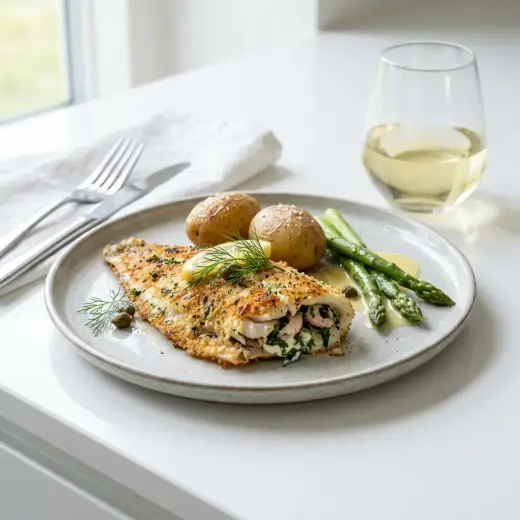
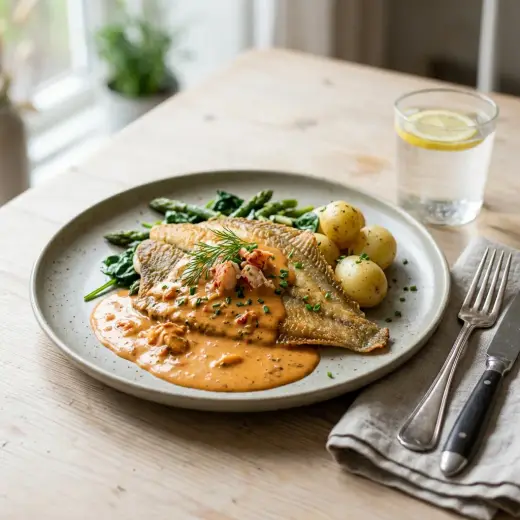
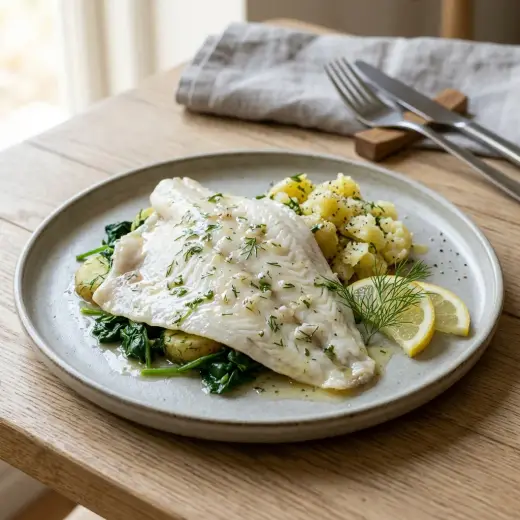
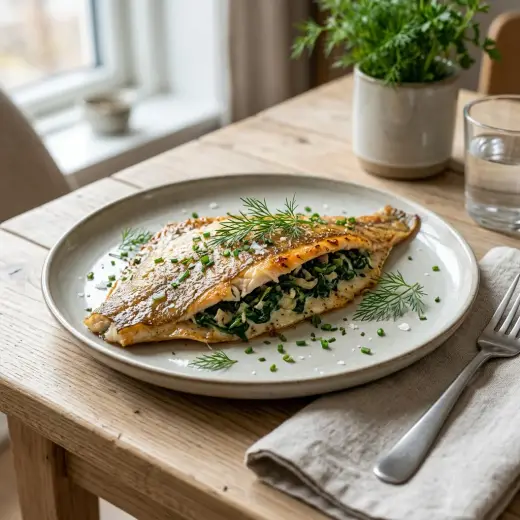
Baked dab is a quick way to cook a small, sweet flatfish with very little fuss. Two whole fish are brushed with lemon and parsley butter, roasted on a tray at 200°C (180°C fan) for 15–18 minutes, and served with the buttery juices from the tray. Dab is delicate and mild, so it needs little more than lemon, and it is ready in about 30 minutes.
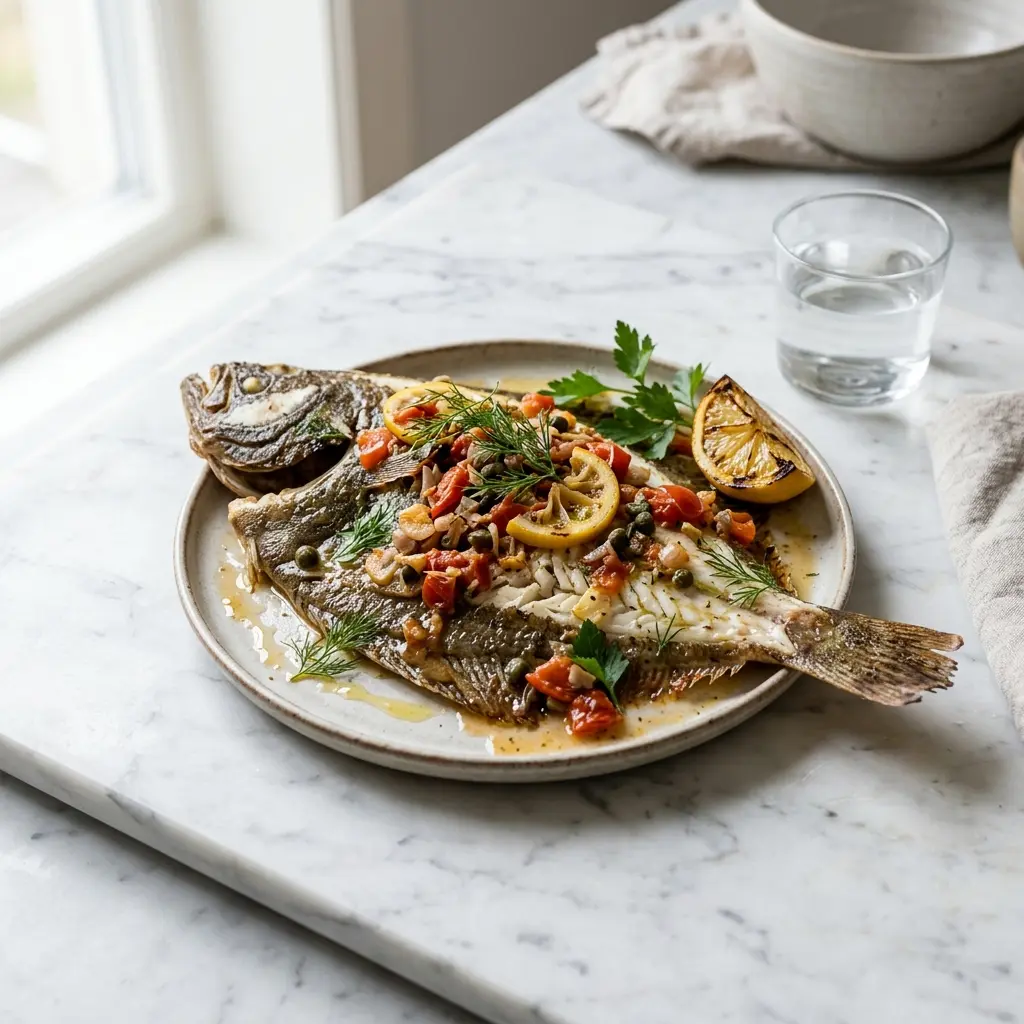
- Total
- 28 min
- Prep
- 10 min
- Cook
- 18 min
- Serves
- 2
- Per 1 fish
- 245kcal
Choosing the right cut for baked dab
Dab are small flatfish, usually 200–350g each, so one whole fish makes a single portion. Buy them gutted and trimmed by your fishmonger or fish counter. The flesh should smell fresh, the eyes should be clear and the skin should be shiny and moist. Fillets cook faster than whole fish and are easier to eat if you dislike bones.
Preparing baked dab
Tap a time to start a timer.
- Heat the oven Heat the oven to 200°C (180°C fan), gas 6. Line a baking tray with baking paper.
- Dry the fish Pat the dab dry inside and out with kitchen paper. If the cavity is not clean, wipe it out with more paper. Lay the fish on the tray, dark side up, with space between them.
- Make the lemon butter Melt the butter in a small pan or in the microwave. Stir in the parsley and the juice of half the lemon. Brush the mixture over both sides of the fish. Sprinkle with the salt and a grind of pepper.
- Bake Roast on the middle shelf for . The fish is ready when the flesh is opaque and lifts easily from the bone along the centre line. Fish this size rarely needs longer.
- Serve Cut the remaining lemon into wedges. Use a fish slice to move the fish to warm plates, and spoon the buttery juices from the tray over the top.
What to serve with it
Boiled new potatoes with butter and parsley are the classic partner, with peas or green beans on the side. Dab also goes well with buttered samphire in season. For a bigger fish, follow the same method for whole baked plaice, or for a different potato side, try plaice with smashed potatoes.
Common problems and fixes for Baked Dab
- The fish is dry.
- Dab is thin, so it overcooks quickly. Check it at 15 minutes by pressing a knife into the thickest part, and take it out as soon as the flesh is opaque.
- The skin sticks to the tray.
- Line the tray with baking paper and brush the butter over the underside too. Pat the skin dry first so the butter does not slide off.
- It is hard to eat because of the small bones.
- Cut along the central line, then lift the top fillets off one at a time. Remove the central bone, and lift the bottom fillets off the skin.
Frequently asked questions about Baked Dab
How do I know when baked dab is done?
It is done when the flesh is opaque and flakes easily with a fork. If you use a thermometer, 55–63°C at the thickest part is a good guide for juicy fish.
Should I remove the skin?
You can leave it on while cooking, as it helps hold the delicate flesh together. Many people peel it away on the plate.
Can I use fillets instead of whole fish?
Yes. Use 4 fillets of about 100g each, and bake them for 8–10 minutes at the same temperature.
What can I use instead of dab?
Whole plaice, flounder or small lemon sole can be cooked the same way. Larger fish need a few more minutes.
How did you like the recipe?
4.7 / 5 · 44 ratings