What is good about classic roast pork with crackling
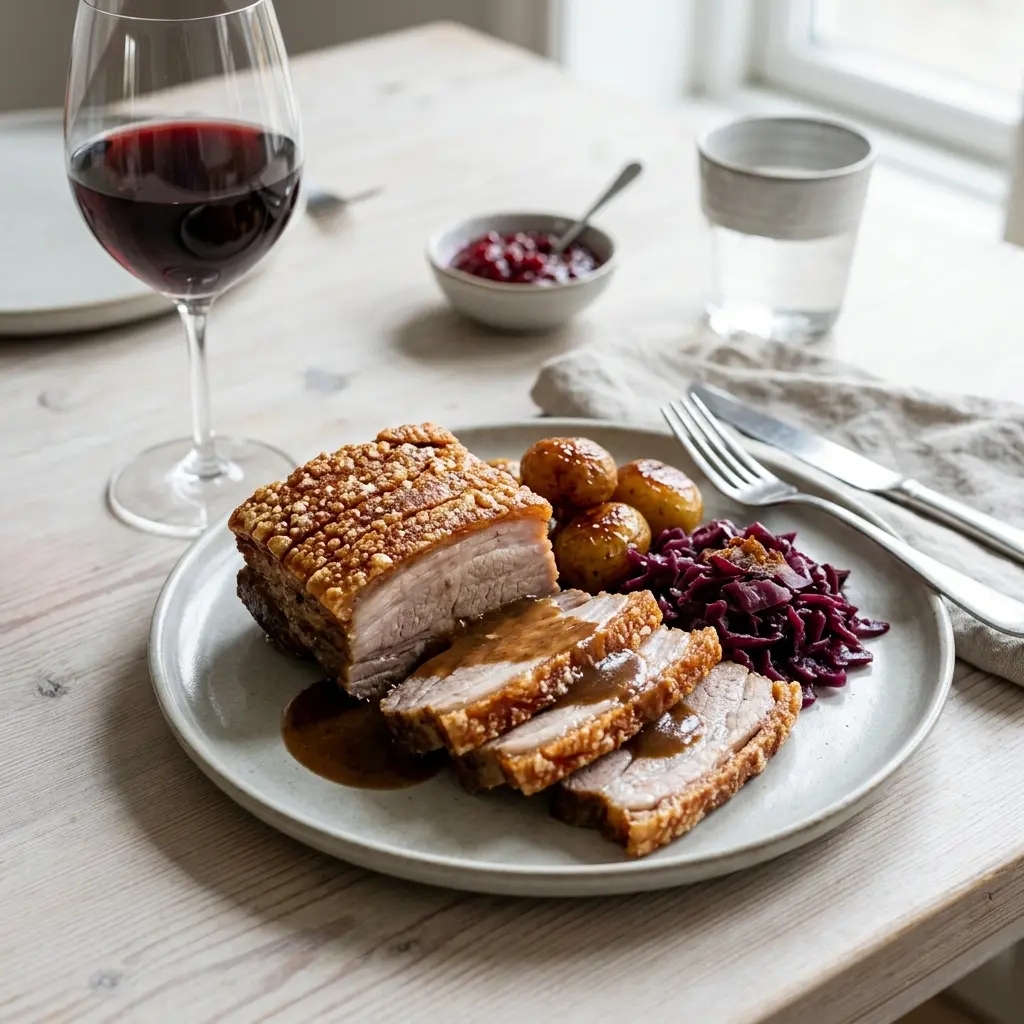
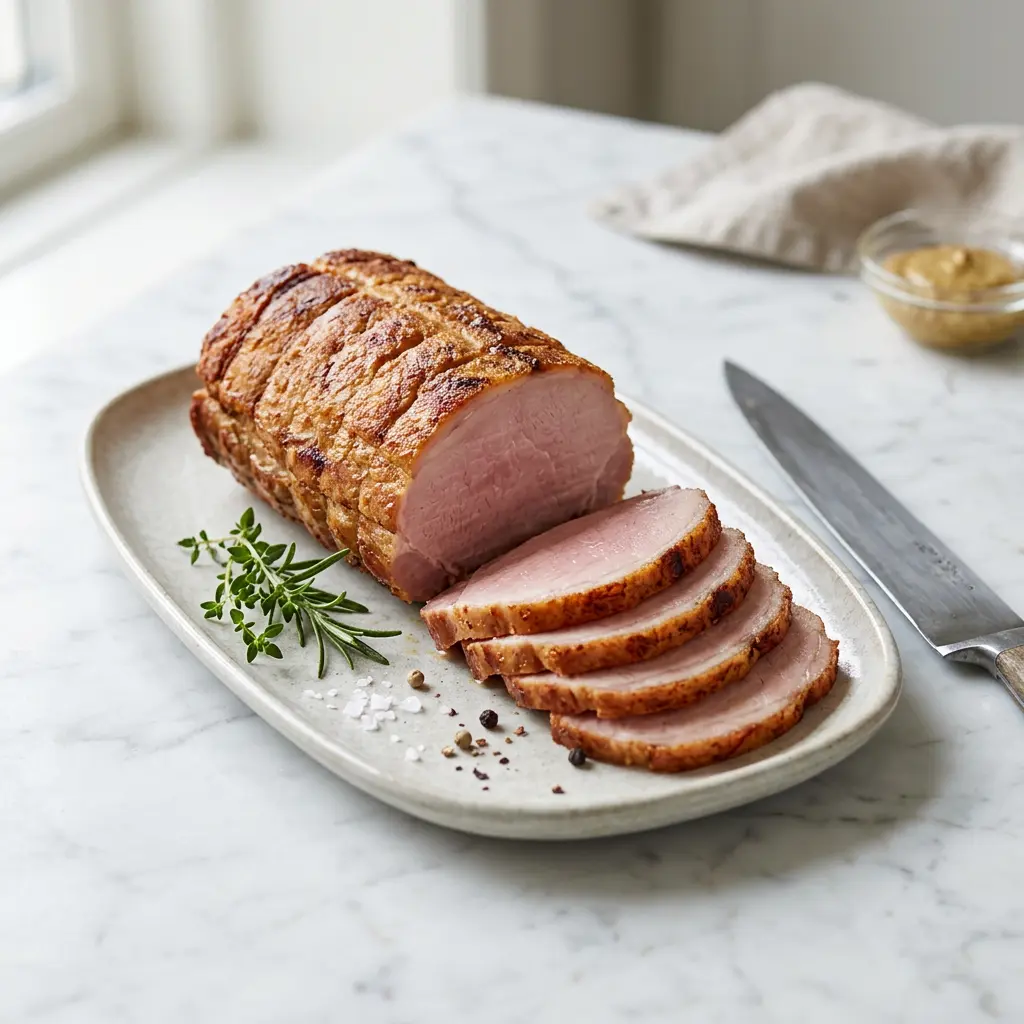
Making classic roast pork with crackling at home is easier than most people think. A simple salt rub helps to draw out moisture from the skin so it puffs up beautifully in the oven. The fat underneath the skin melts into the meat to provide plenty of natural flavour. It is a reliable dish that feeds a whole family with very little effort.
How to make classic roast pork with crackling
Prepare the meat: Remove the pork from the fridge an hour before cooking to reach room temperature. Use a sharp knife to score the skin in thin lines without cutting into the meat. Pat the skin completely dry with paper towels to ensure it becomes crunchy. Rub a little oil over the skin and then massage plenty of salt into the scores.
Set the oven: Preheat your oven to 220C to start the crackling process. Place the sliced onions and carrots in the bottom of a roasting tin to act as a trivet. Put the pork on top of the vegetables and pour the water into the base of the tin. Slide the tin into the hot oven for 30 minutes.
Roast the pork: Lower the oven temperature to 180C after the initial high heat. Continue roasting for about one hour until the meat is fully cooked through. Check the internal temperature with a thermometer to ensure it reaches 70C. The skin should now be hard and golden brown all over.
Rest and serve: Take the roast out of the oven and move it to a warm plate or board. Let the meat rest for at least 15 minutes before you start carving. Resting allows the juices to settle back into the meat for a better texture. Slice the pork into thick pieces and serve the crackling on the side.
Important tips for classic roast pork with crackling
The most important step for classic roast pork with crackling is keeping the skin dry. Moisture is the enemy of crispy skin, so always pat the meat down before adding salt. If the skin is not crispy enough at the end, you can turn the heat up for the last 10 minutes. Avoid covering the meat with foil while it rests, as the steam will soften the crackling.
Make sure the salt you use is flaky sea salt rather than fine table salt. This helps to create the best texture and flavour on the outside of the roast. Ensure the scores are deep enough to let the heat in, but not so deep that you hit the meat.
You may also like
asian noodles with prawns,
pan-fried tuna steak or
pork tenderloin steaks with paprika sauce.