Roast Lamb Shank
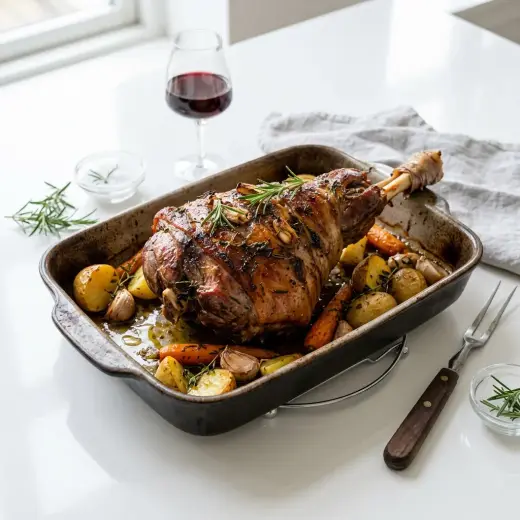
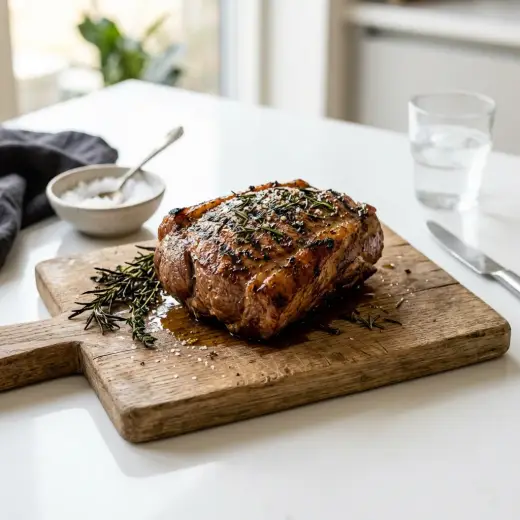
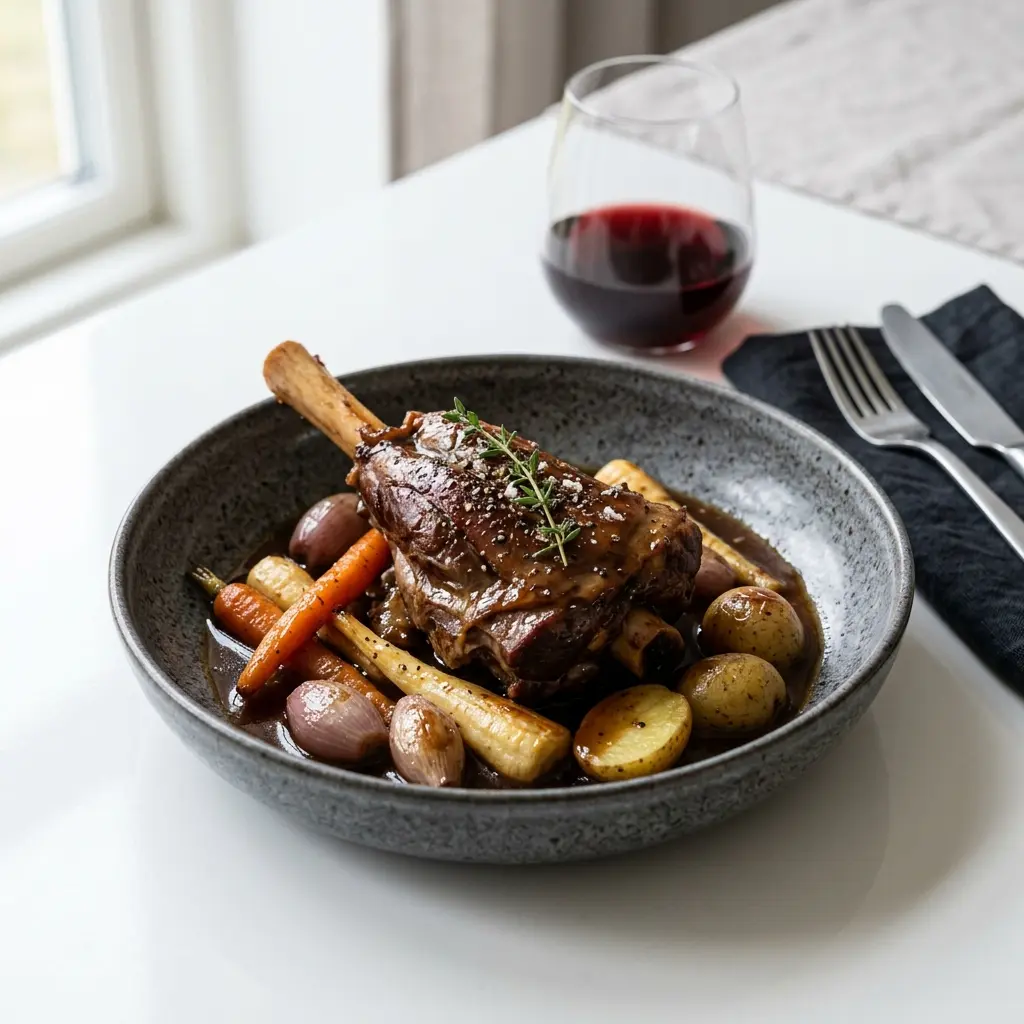
Roast lamb shank turns a tough, hard-working cut into meat that slides off the bone, and all it asks for is time. The shanks are browned first, then roast slowly under foil on a bed of onions with garlic, rosemary and a little stock. A short blast of high heat at the end gives the outside colour, and the juices become a simple gravy.
- Total
- 3 h 35 min
- Prep
- 15 min
- Cook
- 3 h 5 min
- Serves
- 2
- Per serving
- 510kcal
Getting a good crust on roast lamb shank
Shanks have a lot of connective tissue, which melts into the meat over hours of gentle heat. That is why the tin stays covered for most of the cooking, and why the lid comes off only at the end for colour.
Brown the lamb first. It takes 10 minutes and gives the gravy a deeper, roasted flavour. Pat the meat dry before it hits the pan, since damp meat steams instead of browning.
Roast lamb shank method
Tap a time to start a timer.
- Prepare Heat the oven to 160°C (140°C fan), gas 3. Pat the shanks dry with kitchen paper, rub with half the oil and season with the salt and pepper.
- Brown Heat the rest of the oil in a large frying pan over a medium-high heat. Brown the shanks for , turning with tongs, until deep golden all over. This builds flavour in the gravy.
- Set up the tin Scatter the onion wedges in a deep roasting tin and sit the shanks on top. Tuck in the garlic and rosemary and pour the stock around the meat, not over it.
- Roast covered Cover the tin tightly with foil and roast for 2½ hours, until the meat is very tender and starting to pull away from the bone. Check after 2 hours and add a splash of water if the tin is dry.
- Brown the outside Remove the foil, raise the oven to 200°C (180°C fan), gas 6, and roast for another , basting once, until the shanks are golden and slightly crisp at the edges.
- Rest and make gravy Lift the shanks onto a warm plate and cover loosely with foil for . Strain the cooking juices into a small saucepan, skim off the fat and simmer for until reduced and glossy. Spoon over the lamb to serve.
What to serve with it
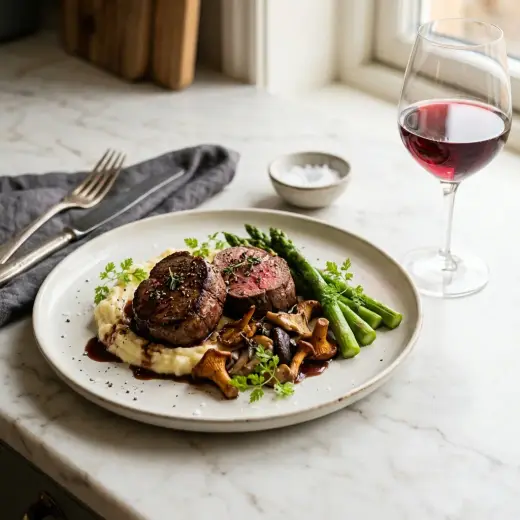
Creamy mash soaks up the gravy well, and buttered cabbage, peas or green beans bring freshness. Carrots and parsnips can roast in the tin alongside the onions if you cut them into big chunks.
For a richer, wine-based sauce, try lamb shank in red wine. Cooking for a bigger table? A roast leg of lamb feeds more people with the same rosemary and garlic flavours.
Common problems and fixes for Roast Lamb Shank
- The meat is still tough after 2½ hours.
- Shanks vary in size. Re-cover with foil and give them another 30 minutes, then check again. The meat is ready when a knife slides in with no resistance.
- The tin is dry and the onions are burning.
- The foil was not tight enough. Add 100ml of water or stock, re-seal the foil around the rim and lower the shelf slightly.
- The gravy is greasy.
- Lamb releases a lot of fat. Leave the juices to settle for a few minutes, then spoon the fat off the top, or use a fat separator, before reducing.
Frequently asked questions about Roast Lamb Shank
How long does a roast lamb shank take to cook?
About 3 hours in the oven: 2½ hours covered at 160°C (140°C fan), then 20–25 minutes uncovered at 200°C (180°C fan). Add 10 minutes for browning in the pan first.
Can I reheat roast lamb shank the next day?
Yes. Cool leftovers within 2 hours and chill. Reheat once, covered with a splash of stock, at 160°C (140°C fan), gas 3, for 25–30 minutes, until steaming hot all the way through.
How do I cook for four?
Use four shanks and a larger tin, keeping the same temperatures and times. Double the onion, garlic and stock, and brown the shanks in two batches.
What can I use instead of lamb stock?
Beef or vegetable stock both work, as does a mix of half stock and half red wine if you want a richer sauce.
How did you like the recipe?
4.9 / 5 · 7 ratings