Why prepare pound cake
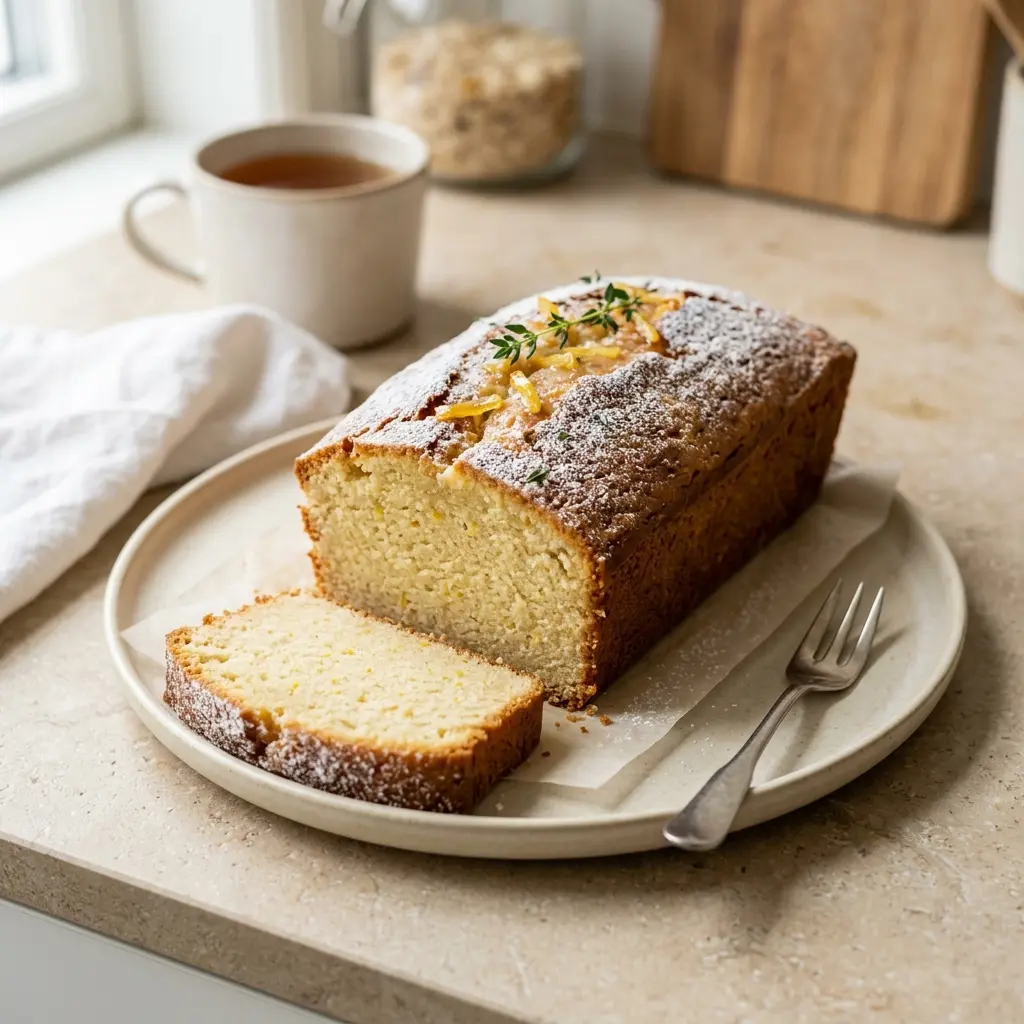
This Pound Cake recipe works because the equal proportions of fat, sugar and flour create a consistent structure that does not collapse easily. Using self raising flour provides a gentle lift while the high butter content ensures the sponge remains soft for several days. The addition of vanilla extract provides a subtle aroma that complements the natural creaminess of the eggs and butter. It is a straightforward method that avoids complicated techniques, making it perfect for beginners who want a professional result.
How to get pound cake ready
Preparation: Preheat your oven to 160C or gas mark 3 and grease a loaf tin with a small amount of butter. Line the bottom and the sides of the tin with baking parchment to prevent the cake from sticking. Make sure your butter is at room temperature so it can be beaten into a smooth consistency easily.
Mixing: Place the softened butter and caster sugar into a large mixing bowl. Use an electric whisk to beat the mixture for several minutes until it looks pale and fluffy. This step is important as it traps air in the fat, which helps the heavy batter rise during the baking process.
Combining: Crack the eggs into a separate jug and add them to the butter mixture one at a time, whisking well after each egg. Stir in the vanilla extract for extra flavour. Gently fold in the self raising flour using a large metal spoon, being careful not to knock out too much of the air you have incorporated.
Baking: Spoon the batter into the prepared loaf tin and smooth the top with a spatula. Bake the cake in the centre of the oven for approximately one hour or until a skewer inserted into the middle comes out clean. Allow it to cool in the tin for ten minutes before transferring it to a wire rack to cool completely.
Tips and tricks for pound cake
For the best results with your Pound Cake, ensure all your ingredients are at room temperature before you begin. Cold eggs can cause the butter mixture to curdle, which affects the final texture of the sponge. If the top of the loaf begins to brown too quickly in the oven, you can cover it loosely with a piece of kitchen foil. Avoid opening the oven door during the first forty minutes of baking as the sudden temperature change can cause the centre to sink. Accurate measurements are essential for this recipe, so using a digital kitchen scale is highly recommended for consistency. Let the loaf cool completely before you attempt to slice it, as this allows the crumb to set firmly. You can serve a slice with a little jam or a spread of butter for a simple and delicious snack.
Find more ideas here:
apple juice,
baked flounder or
tuna patties with chilli and lime.