Why you should cook apricot jam
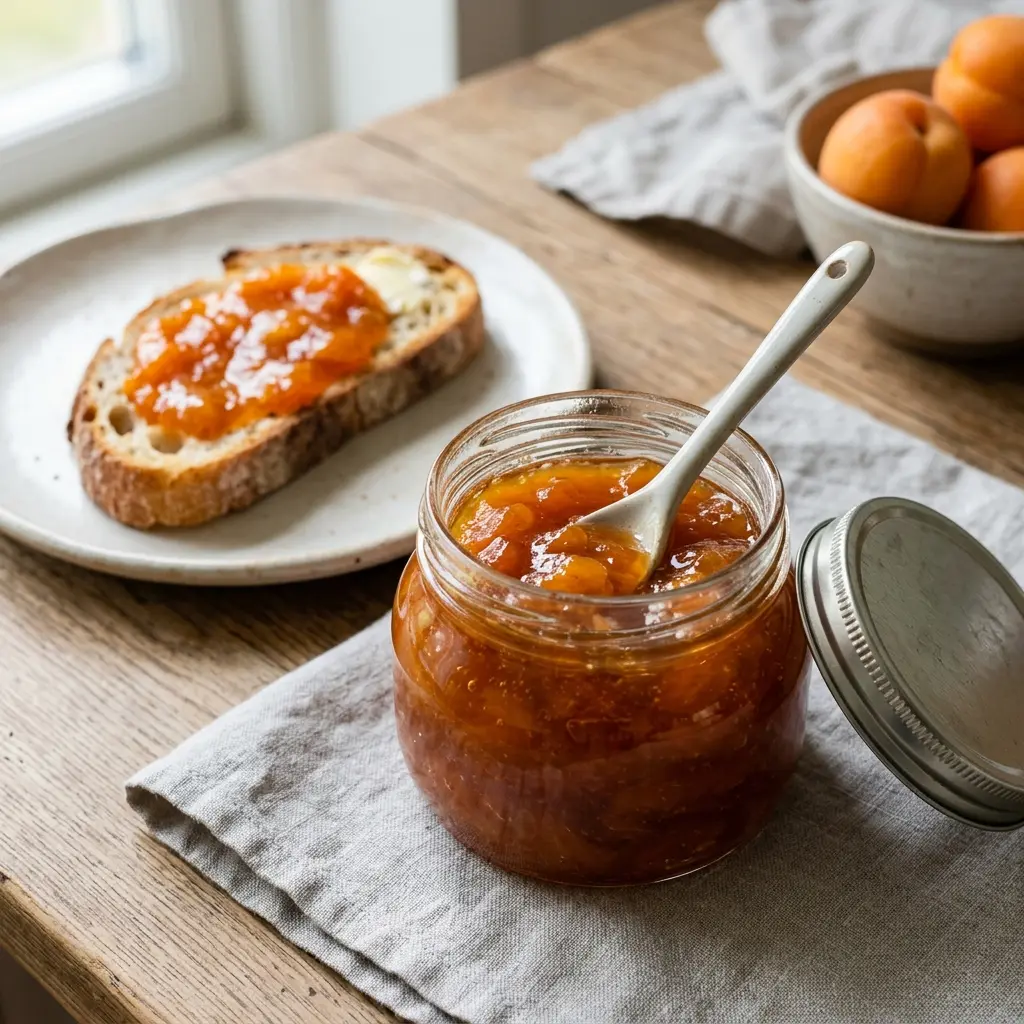
Making apricot jam allows you to control the texture and sweetness of the final product. You can choose to leave large chunks of fruit or blend it for a smooth finish. Home-made preserves often have a much brighter flavour than shop-bought versions. It is a rewarding process that fills your kitchen with a lovely fruity aroma.
A step-by-step guide to apricot jam
Prepare the fruit: Wash the apricots and remove the stones before cutting the fruit into small pieces. Place the chopped apricots into a large heavy saucepan with the lemon juice. Cook the fruit over a low heat for about ten minutes until it starts to soften. Stir the mixture occasionally to prevent the fruit from sticking to the bottom of the pan.
Add the sugar: Pour the granulated sugar into the pan with the softened fruit. Stir the mixture over a low heat until all the sugar crystals have completely dissolved. It is important not to let the mixture boil before the sugar is fully melted. Add a small knob of butter if you want to reduce the amount of foam that forms on the surface.
Boil the mixture: Increase the heat and bring the apricot jam to a rolling boil for about fifteen minutes. Use a wooden spoon to stir the pan frequently so the jam does not burn. Place a couple of small plates in the freezer to chill for testing the setting point later. The jam will start to look thicker and glossier as it cooks.
Test and jar: Drop a small spoonful of jam onto a cold plate and wait a few seconds before pushing it with your finger. If the surface wrinkles, the jam has reached the setting point and is ready. Ladle the hot jam into sterilised jars and seal them immediately with tight lids. Allow the jars to cool completely at room temperature before storing them in a cool dark place.
Good advice for making apricot jam
Choosing ripe fruit is the most important part of making delicious apricot jam. If the apricots are too hard, they will not break down properly and the flavour will be less intense. You can add a few of the kernels from the apricot stones to the pan for a subtle almond flavour. Just remember to remove the kernels before you put the jam into jars. Use a wide saucepan to help the moisture evaporate more quickly during the boiling process.
This helps the jam reach the setting point faster without overcooking the fruit. Always ensure your jars are perfectly clean and warm when you fill them to prevent the glass from cracking. If you prefer a smoother texture, you can use a potato masher to break down the fruit pieces during the first stage of cooking.
You might also enjoy
hollandaise sauce,
creamy prawn soup or
beef stew with cream.