Why you should make homemade tartare
Preparing your own Homemade Tartare ensures that you use the freshest meat available from your local butcher. You can control the texture of the beef by hand chopping it rather than using a machine. This version uses classic seasonings like mustard and capers to provide a balanced acidity. It is a quick and impressive meal that requires no cooking time on the stove.
How to cook homemade tartare
Prepare the meat: Place the beef fillet in the freezer for fifteen minutes to make it firm. Use a sharp knife to slice the meat into very small cubes by hand. Avoid using a food processor because the texture should be chunky rather than a paste. Place the chopped beef in a cold mixing bowl and keep it chilled.
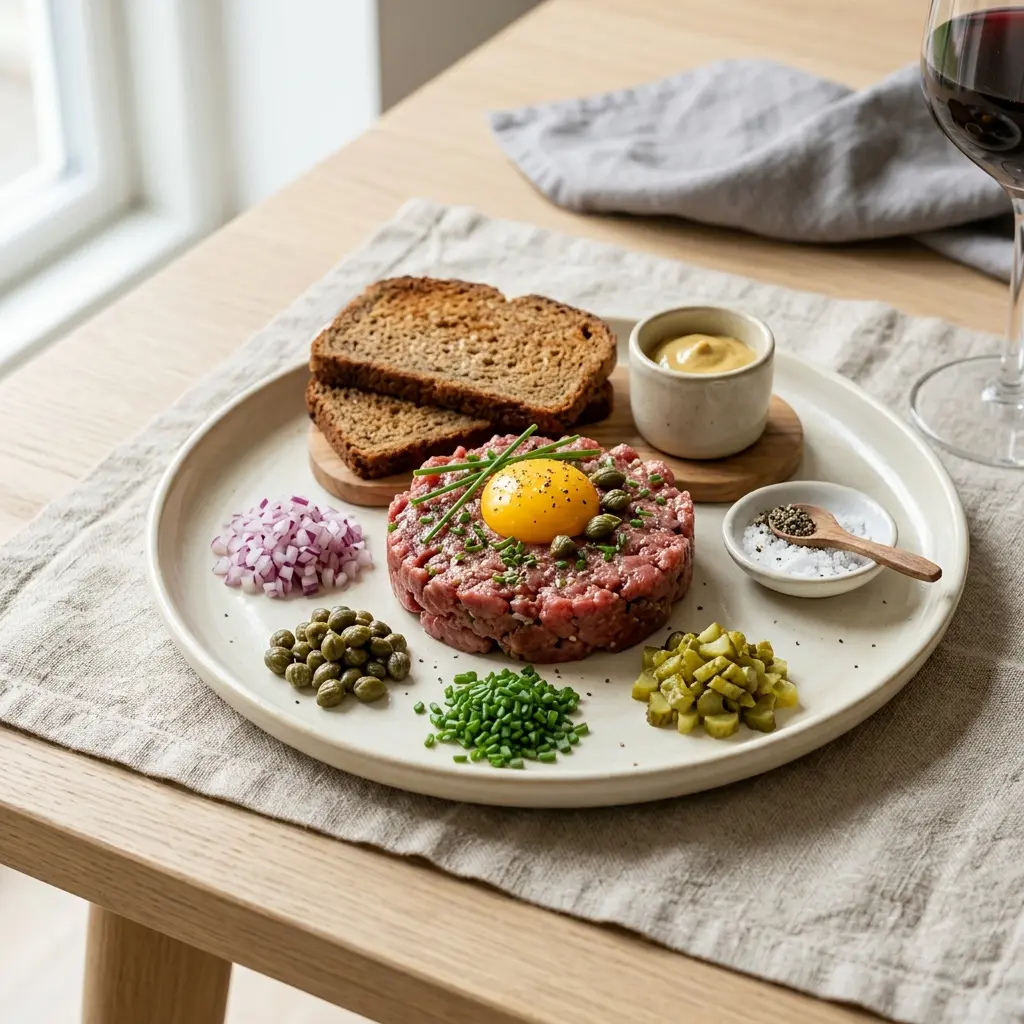
Chop the aromatics: Dice the shallot, gherkins and capers as finely as you can. Finely chop the fresh parsley leaves and set them aside for later. These ingredients provide the essential crunch and salty flavour to the dish. Having everything uniform in size ensures a balanced bite in every spoonful.
Mix the base: Add the mustard and Worcestershire sauce to the bowl with the beef. Stir in the chopped shallots, gherkins and capers gently. Season the mixture with a little salt and freshly ground black pepper. Mix everything together until the ingredients are evenly distributed throughout the meat.
Plating: Divide the mixture into two portions and shape them into neat circles on cold plates. Make a small indentation in the top of each mound for the egg yolk. Carefully place one raw egg yolk into each hollow. Garnish with the fresh parsley and serve your Homemade Tartare immediately with toasted bread.
Useful tips for homemade tartare
Always buy the freshest beef from a trusted butcher for this dish. Keeping the meat cold throughout the process is very important for safety and texture. You can place your mixing bowl over another bowl filled with ice to keep it chilled while you work. If you prefer a bit of heat, add a few drops of hot sauce to the mix.
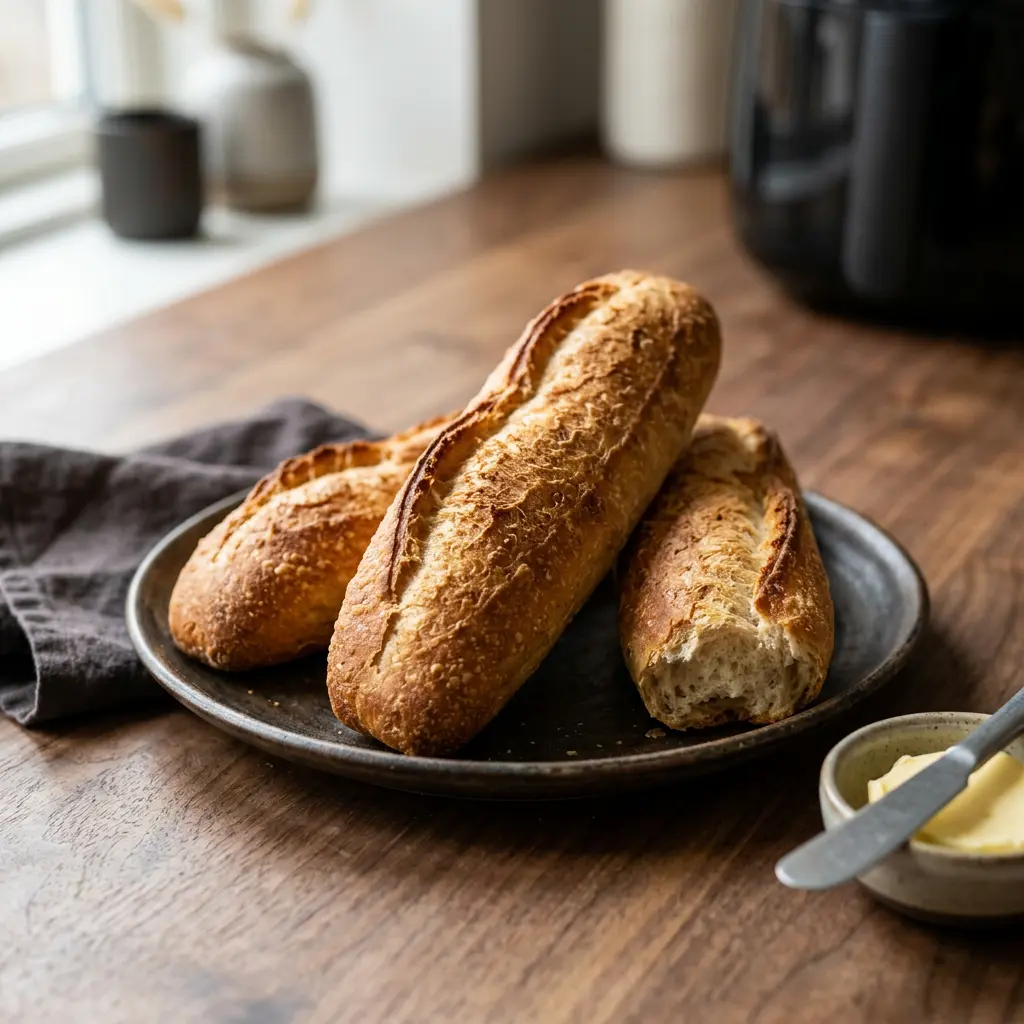
Toasting some sourdough bread provides a nice contrast to the soft texture of the Homemade Tartare. Do not mix the egg yolk in until you are ready to eat to keep the presentation clean. Use fresh herbs like chives or tarragon if you want to vary the flavour slightly.
You might also enjoy
turkey and broccoli pie,
turkey patties or
turkey schnitzel with bearnaise.