Good reasons to make pasta with duck
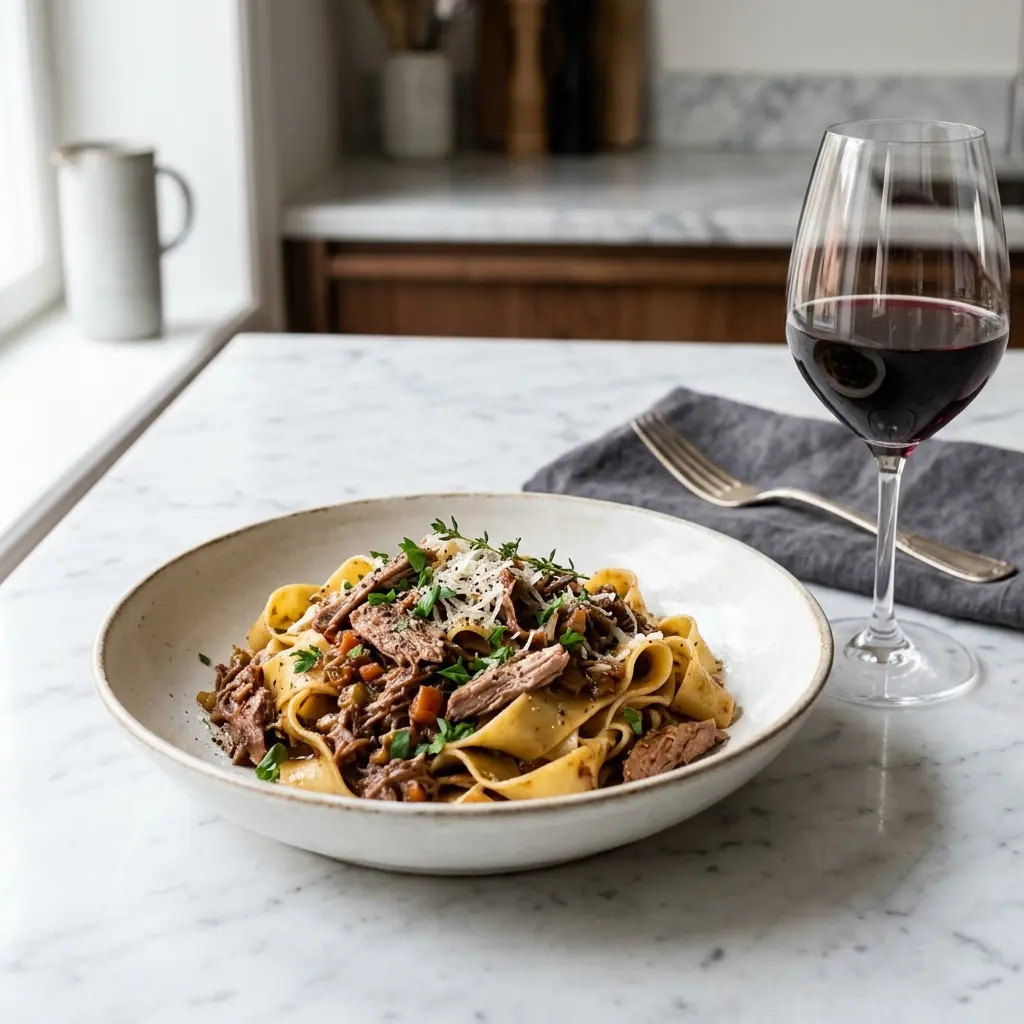
This pasta with duck is incredibly satisfying because the flavours are deep and well balanced. Using duck breast ensures the meat stays juicy while providing plenty of flavour for the sauce. It is a quick alternative to slow cooked ragu but still offers a luxurious feel. The combination of red wine and fresh herbs creates a professional taste with minimal effort in the kitchen.
How to get pasta with duck ready
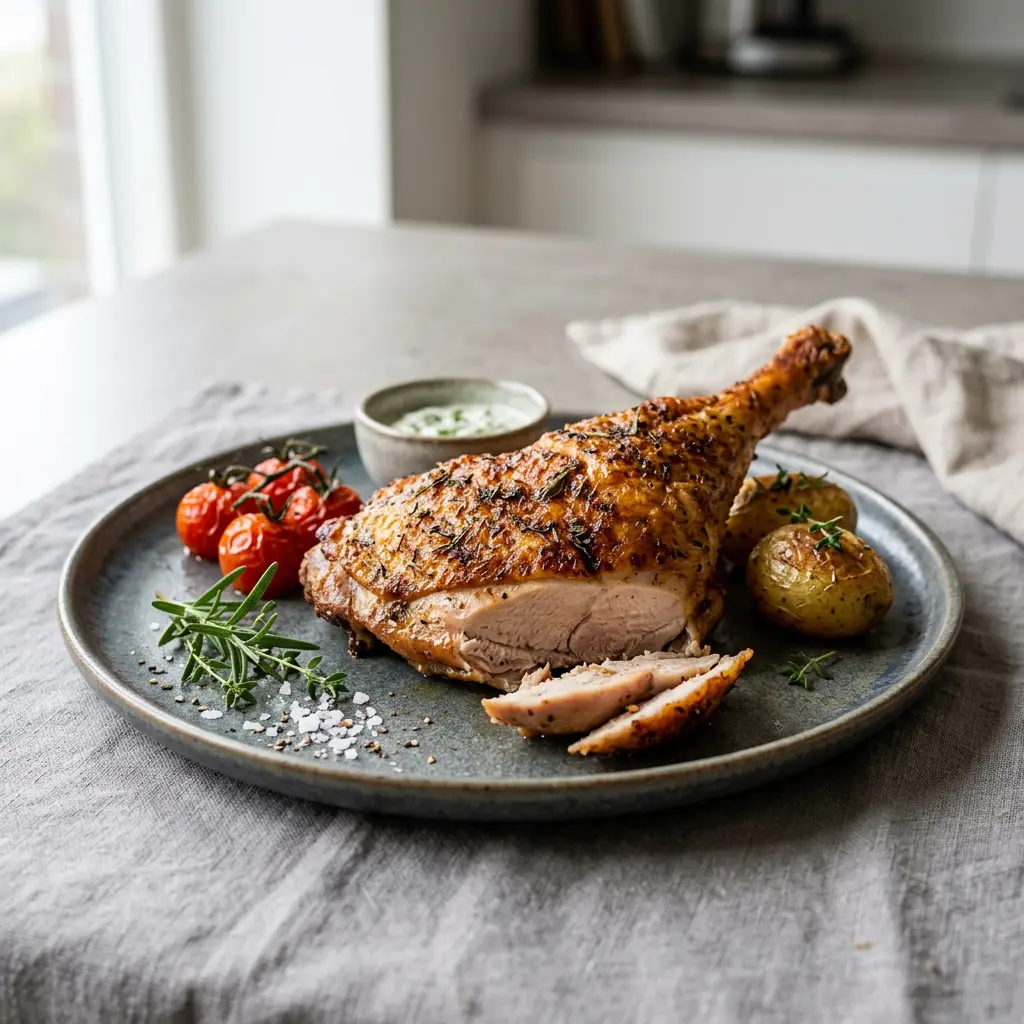
Prepare the duck: Score the skin of the duck breast in a diamond pattern without cutting the meat. Place it skin side down in a cold frying pan and turn the heat to medium. Fry for about eight minutes until the skin is very crisp and the fat has melted away. Turn it over for two minutes then remove from the pan and let it rest.
Cook the aromatics: Pour off most of the duck fat from the pan but leave about one tablespoon behind. Add the chopped onion and garlic to the pan and cook gently until they are soft. Stir in the tomato puree and thyme for a minute to release their scent. This base provides the core flavour for the pasta with duck sauce.
Simmer the sauce: Pour the red wine into the pan and let it bubble for a few minutes until reduced by half. Add the chicken stock and simmer gently while you cook the pasta in a separate pot of boiling salted water. Slice or shred the rested duck breast into small bite sized pieces and add them back into the sauce.
Combine and serve: Drain the pasta when it is cooked but still has a slight bite to it. Toss the pasta into the pan with the duck and sauce until every strand is well coated. If the sauce is too thick you can add a splash of the pasta cooking water. Serve the pasta with duck in warm bowls with a sprinkle of grated parmesan.
Good advice for pasta with duck
Always start the duck breast in a cold pan to help the fat render out properly without burning the skin. This ensures you get a crispy texture and plenty of rich oil to cook your vegetables. When making pasta with duck you should choose a wide pasta shape like pappardelle to hold the sauce better. Don’t throw away all the duck fat as you can keep it in the fridge for roasting potatoes another time. Use a dry red wine like Merlot or Cabernet Sauvignon for the most traditional flavour profile. If you prefer a lighter sauce you can substitute the wine with extra chicken stock and a squeeze of lemon juice.
Letting the meat rest before slicing is essential to keep the juices inside. This prevents the duck from becoming dry when it meets the hot sauce. Always check the seasoning at the end as the stock and parmesan might provide enough salt on their own.
You might also enjoy
homemade nuggets,
summer salad with prawns or
baja fish tacos.