Pulled Pork
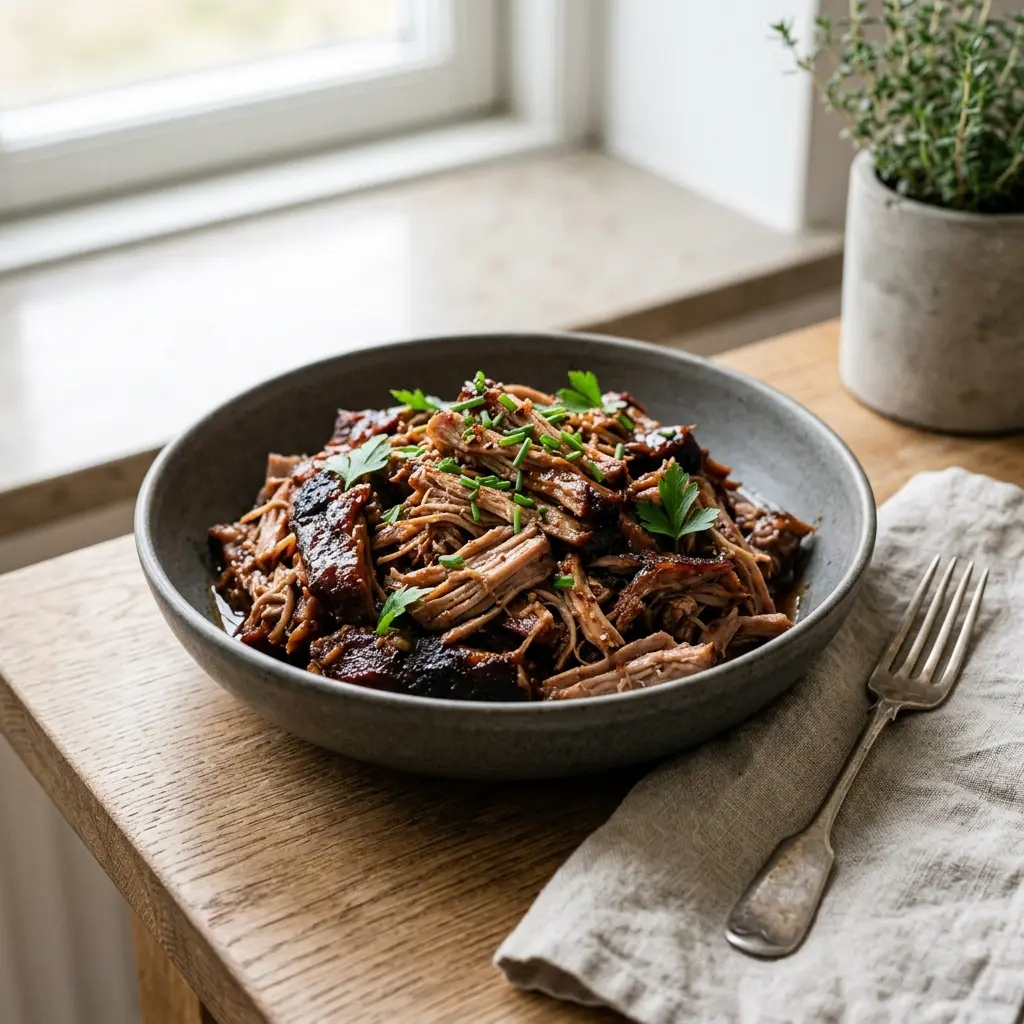
Pulled pork turns a cheap, fatty shoulder joint into meat so soft that it falls apart under a fork. The method is simple: rub the joint with a sweet and smoky spice mix, cover it tightly and leave it in a low oven for 5½ hours, with a splash of apple juice to keep things moist. Shred it, stir through barbecue sauce and pile it into buns. A 2kg joint feeds eight.
- Total
- 6 h 20 min
- Prep
- 20 min
- Cook
- 5 h 30 min
- Serves
- 8
- Per serving
- 450kcal
Keeping pulled pork juicy
The fat and connective tissue in a shoulder joint are what make it soft. At 150°C, they melt and break down slowly over several hours, and the juices run into the tin. Covering the tin tightly keeps in steam, so the meat braises rather than dries out.
There is no need to rush. If the joint is still firm after 5 hours, put the foil back and give it another half hour, as the exact time depends on the size and shape of the joint. The thermometer matters more than the clock.
Pulled pork, step by step
Tap a time to start a timer.
- Season Heat the oven to 150°C (130°C fan), gas 2. Mix the sugar, paprika, garlic powder, salt and pepper in a small bowl. Pat the pork dry with kitchen paper and rub the mix all over. Set it in the roasting tin, fat side up.
- Add the liquid and cover Pour the apple juice into the tin around the meat, not over it, so the rub stays in place. Cover the tin tightly with a double layer of foil.
- Roast Cook for 5 hours, then take off the foil and cook for a further to colour the top. The pork is ready when a thermometer in the thickest part reads 90–95°C and a fork twists in with no resistance.
- Rest Lift the pork onto a board or tray, cover loosely with foil and leave it for . Skim the fat from the juices left in the tin.
- Shred and serve Pull the meat apart with two forks, discarding any large pieces of fat and the bone. Return it to the tin, stir in the barbecue sauce and a few spoonfuls of the skimmed juices and serve while steaming hot.
Serving and variations
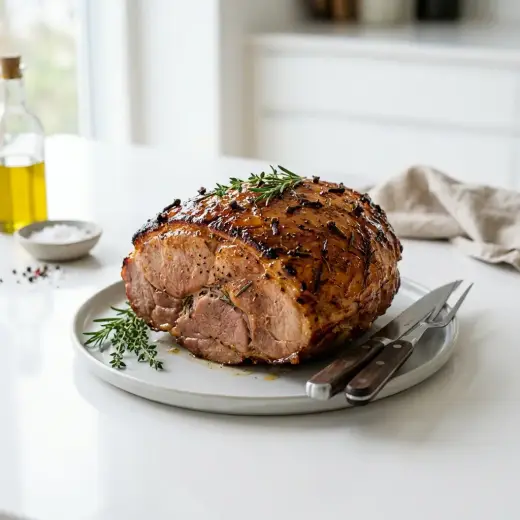
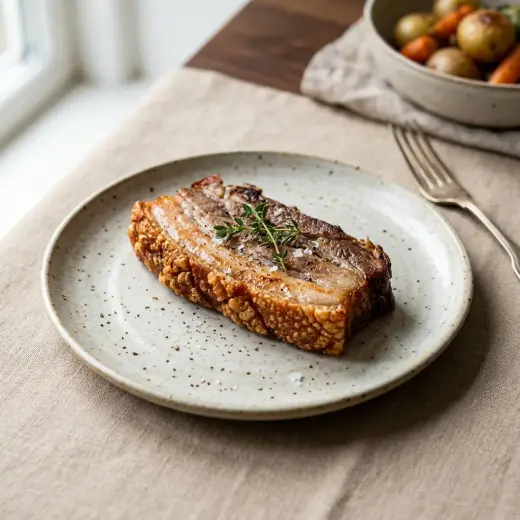
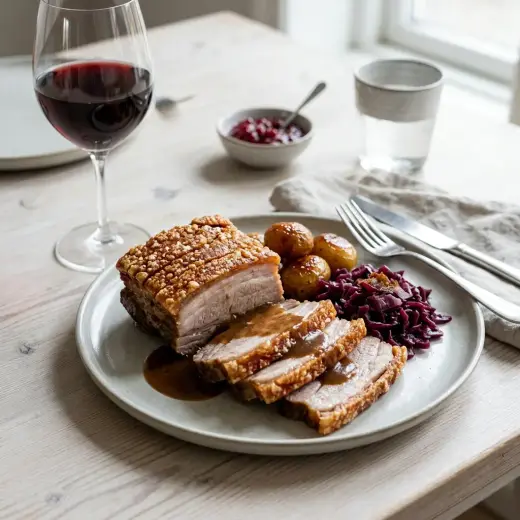
Pile the pork into soft buns with coleslaw, or use it in wraps, on jacket potatoes or with rice. The apple in the cooking liquid works well with the smoky paprika. For another slow, tender pork dish, try braised pork belly, or for a Sunday lunch, classic roast pork with crackling.
Common problems and fixes for Pulled Pork
- The pork is tough and will not shred.
- It needs more time, not more heat. Cover it again and cook for another 30–45 minutes, checking until the thermometer reads at least 90°C.
- The pork is dry.
- The foil was loose or the joint was too lean. Seal the foil tightly around the tin, use shoulder rather than leg or loin and moisten the shredded meat with the skimmed cooking juices.
- The finished pork is too salty or too sweet.
- Barbecue sauces vary. Stir in half the sauce first, taste, and add more only if needed. A splash of cider vinegar balances sweetness.
Frequently asked questions about Pulled Pork
What is the best cut for pulled pork?
Pork shoulder, sold as hand or shoulder joint. It has enough fat and connective tissue to turn soft over a long cook. Lean cuts such as loin or leg dry out and do not shred.
Can you make pulled pork in a slow cooker?
Yes. Put the rubbed pork in a slow cooker with the apple juice and cook on low for 8–10 hours, until a thermometer reads 90°C or more. Cut the joint in half if it does not fit.
Can you cook the pork the day before?
Yes. Cool it quickly, shred it and keep it in its juices in the fridge for up to 3 days, or freeze for up to 3 months. Reheat in a covered pan or in the oven at 180°C (160°C fan), gas 4, until steaming hot all the way through.
How much pork do you need per person?
Allow about 250g of raw shoulder per person. It loses around 40% of its weight in cooking, so a 2kg joint gives about 1.2kg of shredded pork, enough for 8 buns.
How did you like the recipe?
4.7 / 5 · 4 ratings