Rye Bread
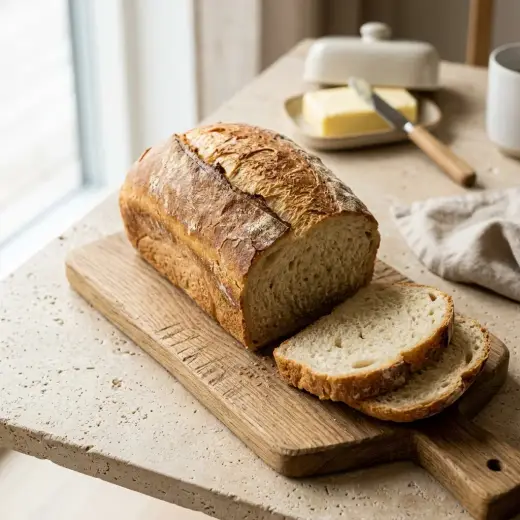
A loaf that is part rye and part strong white flour gives you rye bread with a deep, earthy flavour that is still soft enough for toast and sandwiches. This version uses fast-action yeast, a long first rise and an ordinary loaf tin, so there is no starter to feed. The dough is stickier than white bread dough, and that is exactly how it should be.
- Total
- 4 h
- Prep
- 20 min
- Cook
- 40 min
- Serves
- 10
- Per serving
- 170kcal
Working with sticky rye bread dough
Rye flour holds a lot of water but forms very little gluten, so the dough never feels as springy as white dough. Resist the urge to keep adding flour. A tacky dough gives a moist, soft crumb, and a scraper and wet hands will get you through the shaping.
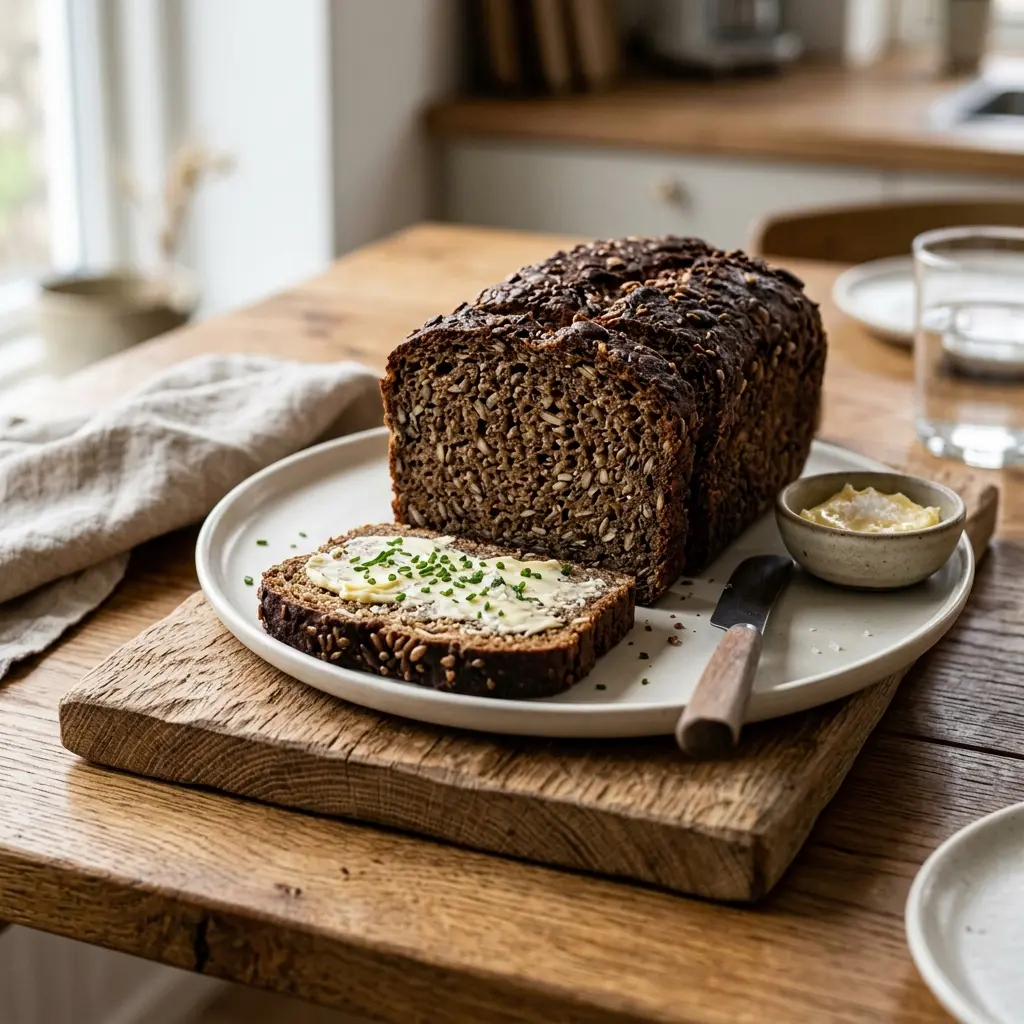
A dark, strongly flavoured loaf like this suits plain butter best. Caraway seeds are a traditional addition, but the bread is just as good without them.
Rye bread, step by step
Tap a time to start a timer.
- Mix the dough Tip both flours, the yeast, salt and caraway seeds (if using) into a large bowl and mix. Add the warm water and honey and stir with a wooden spoon until no dry flour is left. The dough will be thick and tacky.
- Knead Turn the dough onto a lightly floured surface and knead for , using a dough scraper to lift it. Add as little extra flour as you can; it should stay slightly sticky but hold together.
- First rise Put the dough back in the bowl, cover with a damp tea towel and leave in a warm place for , until it looks puffy and has grown by about half. Rye dough rises less than white dough, so do not wait for it to double.
- Shape and prove Grease the tin with the oil. Shape the dough into a rough loaf, press it into the tin and smooth the top with wet fingers. Cover and leave for . Meanwhile heat the oven to 200°C (180°C fan), gas 6.
- Bake Bake for , until the crust is dark brown and the loaf sounds hollow when you tap the base. Turn it out of the tin straight away.
- Cool Leave the loaf on a wire rack for at least 1 hour before slicing. The crumb continues to set as it cools.
Serving and keeping your rye bread
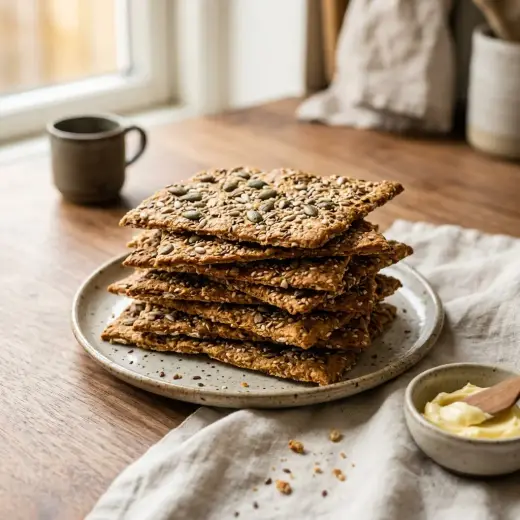
Slice the loaf thickly and serve it with butter and mature Cheddar, with smoked salmon and cream cheese, or alongside a bowl of soup. It toasts well too. For a seedier, chewier loaf, try seeded rye bread.
Slices that have gone dry make good snacks: cut them thin and turn them into air fryer rye bread crisps.
Common problems and fixes for Rye Bread
- The dough is so sticky that it clings to everything.
- That is normal for rye, which has little gluten. Wet your hands or use a dough scraper instead of adding more flour, because extra flour makes the loaf dry and heavy.
- The loaf is gummy in the middle.
- Either it was cut while still warm or it needed longer in the oven. Always cool it for the full hour, and bake it for another 5–10 minutes if the base does not sound hollow.
- The loaf did not rise much.
- Check that the water was hand-hot, not boiling, as hot water kills yeast. It is naturally denser than white, but it should still grow noticeably in the tin before baking.
Frequently asked questions about Rye Bread
Can you make it without a sourdough starter?
Yes. This loaf rises with fast-action dried yeast alone, so there is no sourdough starter involved.
What can you use instead of honey?
Use 1 tbsp black treacle or dark brown sugar. Treacle makes the loaf a little darker and sweeter.
Is it fine to use plain flour instead of strong white?
You can, but the loaf will be denser. Strong white bread flour adds the gluten that helps this rye bread hold its shape.
How do you store it?
Wrap the cooled loaf in a clean tea towel or keep it in a bread bin for up to 4 days. You can also slice it and freeze it for up to 3 months, then toast the slices from frozen.
How did you like the recipe?
4.8 / 5 · 8 ratings