Reasons to choose vegetable juice
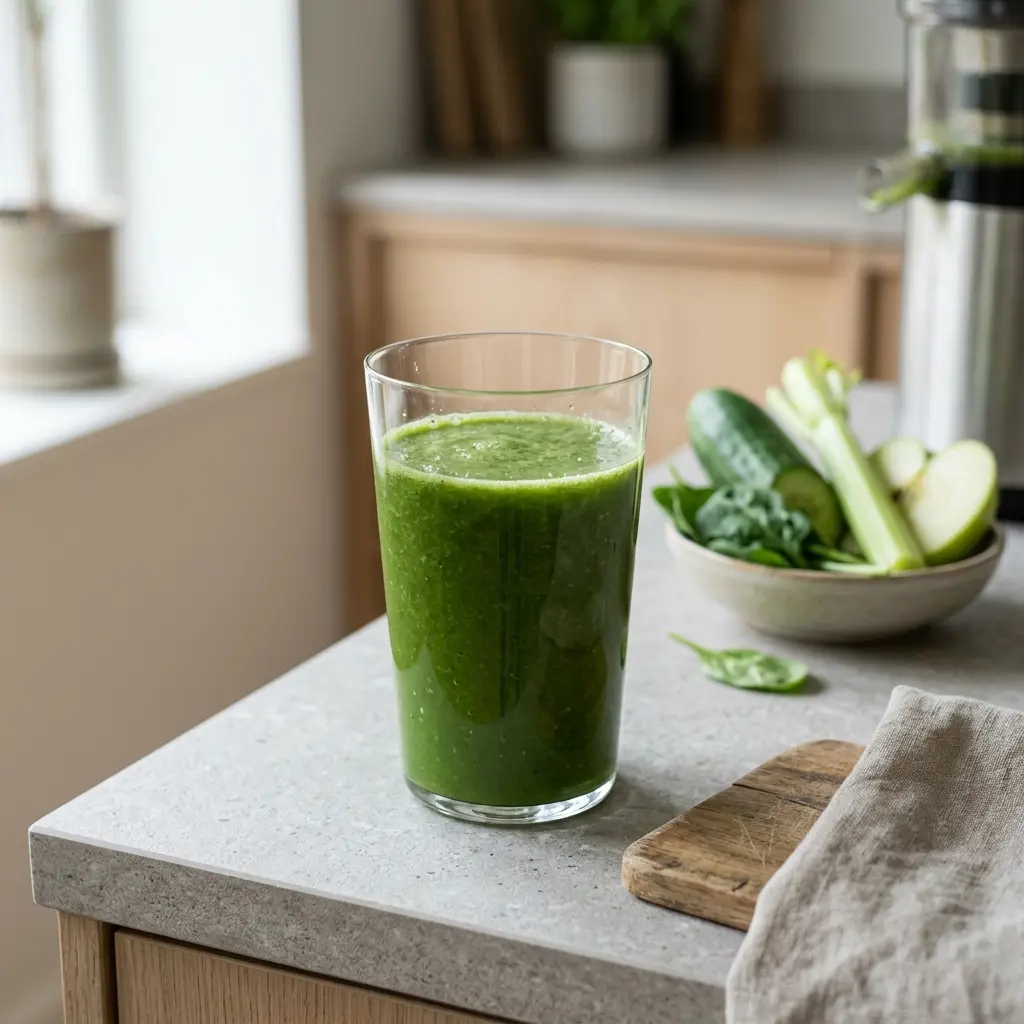
Making your own vegetable juice allows you to control exactly what goes into your glass. You can adjust the sweetness by adding more carrots or keep it earthy with extra leafy greens. It is an excellent way to use up vegetables that might be slightly soft or past their prime. Fresh juice provides a quick way to consume several portions of vegetables in one go.
How to prepare vegetable juice
Prepare: Wash all the vegetables and the apple thoroughly under cold water to remove any dirt. Peel the beetroot and the ginger to ensure a smooth flavour and clean finish. Chop the carrots and celery into pieces that easily fit into your juicer chute.
Juice: Turn on your juicer and begin feeding the prepared vegetables through the machine. Start with the harder items like carrots and beetroot first to get the most liquid out of them. Follow with the apple and celery to help push everything through the system.
Season: Squeeze the juice from the half lemon directly into the pitcher with the other ingredients. Stir the mixture well with a long spoon to combine all the different flavours. This helps to balance the earthy taste of the beetroot with a bright citrus note.
Serve: Pour the fresh juice into two glasses and enjoy it immediately while it is cold. You can add a few ice cubes if you prefer an even more refreshing temperature. Drinking it straight away ensures you get the best quality and taste from the ingredients.
Good advice for vegetable juice
Always use the freshest produce available to get the most liquid out of your vegetables. If you find the vegetable juice too strong, you can dilute it with a little cold water or extra cucumber. Keep the leftover pulp if you want to use it for baking savoury muffins or adding to thick soups. Chilling the vegetables in the fridge before juicing makes the final drink much more refreshing.
You can experiment with adding herbs like parsley or mint for extra depth of flavour. Clean your juicer machine immediately after use so the remnants do not dry and become difficult to scrub. This makes the whole process much faster and more enjoyable every time you want a drink.
You can also try these recipes:
quinoa salad,
homemade crisps or
hokkaido pumpkin soup with coconut milk.